
MASSAGE
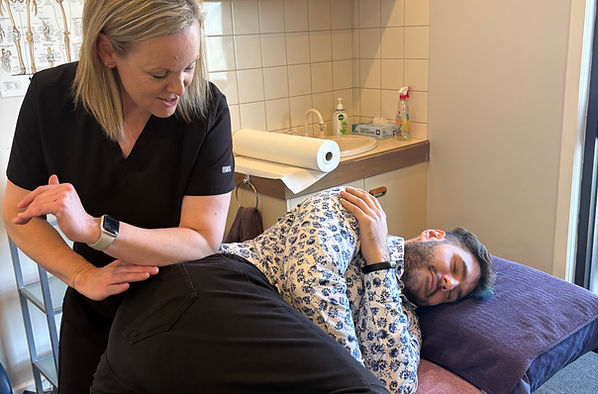
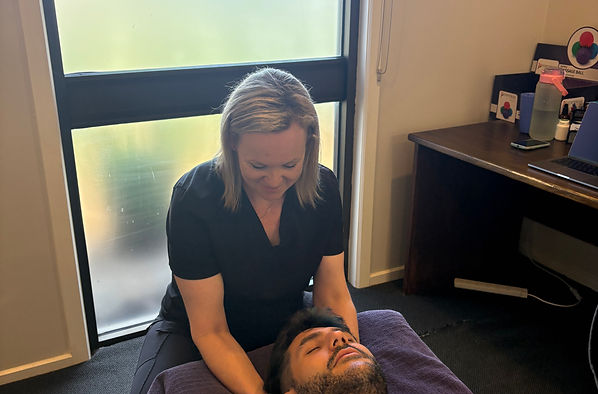
Remedial massage therapy is a targeted, therapeutic form of massage that focuses on assessing and treating muscles, tendons, and connective tissues to relieve pain and restore normal function. It involves techniques such as deep tissue work, trigger point therapy, and stretching to address specific issues like muscle tightness, injury, or postural imbalance.
Unlike relaxation massage, remedial massage is tailored to individual needs and often used to manage conditions such as chronic pain, sports injuries, and stress-related tension. By improving circulation, reducing muscle stiffness, and promoting recovery, it supports both physical rehabilitation and overall wellbeing.
Why Choose Remedial Massage Therapy?

Holistic approach
Hands on effective treatment
Personalised care
Clinically proven results

Up to Date Research
Our Osteopaths keep up to date with modern research to help guide best practice for treatment

Quick Sessions
Treatment sessions typically last 30-45 minutes, making it easy to fit into your busy schedule.

Expert Care
Our experienced practitioners will create a personalized treatment plan tailored to your specific condition and needs.
Frequently asked Questions
What types of massage does Dingley Health Hub offer?
Answer:
At Dingley Health Hub we offer therapeutic massage tailored to your needs, including deep tissue, remedial, relaxation, and sports massage techniques aimed at easing muscle tension, reducing pain, and improving movement.
What conditions can massage therapy help with?
Answer:
Massage can help with a variety of conditions including muscle tightness, back pain, neck pain, headaches, shoulder tension, post-exercise recovery, stress-related muscle tension, and general muscle fatigue.
Is massage therapy painful?
Answer:
Massage therapy should be comfortable and supportive. Some techniques like deep tissue massage may feel firm, especially around tight areas, but your therapist will always adjust pressure according to your comfort level.
How often should I get a massage?
Answer:
The frequency depends on your goals. For acute pain, weekly sessions may be recommended initially. For ongoing maintenance or stress relief, fortnightly or monthly sessions can be effective. Your therapist will tailor a plan for you.
Can massage help with stress and relaxation?
Answer:
Yes. Massage therapy stimulates blood flow, reduces muscle tension, and encourages relaxation responses in the nervous system, helping to reduce stress and promote overall wellbeing.
Does massage improve flexibility?
Answer:
Yes. Regular massage can help improve muscle flexibility and joint range of motion by releasing tight soft tissues and reducing restrictions that limit movement.
Can I get a massage if I have an injury?
Answer:
Yes, but it depends on the type and stage of your injury. Your therapist will assess your condition and tailor techniques that safely support healing and recovery without aggravating the injury.
Is massage therapy suitable for everyone?
Answer:
Most people benefit from massage, but certain medical conditions (such as active inflammation, recent fractures, or specific cardiovascular issues) may require modification or referral. Your therapist will review your health history before treatment.
How long is a typical massage session?
Answer:
Sessions are usually 30, 45, or 60 minutes depending on your needs and goals. Longer sessions allow for more comprehensive treatment of multiple areas.
Can massage help with headaches?
Answer:
Yes. Massage can reduce tension in the neck, shoulders, and upper back, which are common contributors to tension-type headaches. This can help reduce the frequency and severity of headache symptoms.